
FOR YOUNG PEOPLE (11–17), ADULTS, PARENTS & FAMILIES

Counselling
An anchor when life feels uncertain.
An oar when it’s time to move forward.

Why Anchor & Oar?
Sometimes we need to anchor first.
And then, when we're ready,
we need the oar.
The tools that help us move towards what matters,
even when doing so takes courage.
Insight is powerful.
But insight matters most when it gives us
more choice in what happens next.
There will be times to anchor.
There will be times to pick up the oar.
Together, we can work out which you need — and when.
Wanting something to be different is enough.
People come to counselling for all kinds of reasons.
Sometimes something has happened. Sometimes something has been building for years.
And sometimes life looks fine from the outside, but simply doesn't feel fine from the inside.
I work with young people, adults, parents, and families experiencing:
- Stress, anxiety, panic, and perfectionism
- Low mood, depression, and grief
- Low self-esteem, shame, and never feeling good enough
- Friendship problems, bullying, loneliness, and belonging
- Family conflict and communication difficulties
- School, academic, and performance pressure
- Life transitions, change, and uncertainty
- Identity, sexuality, and questions about who you are
- Unhelpful coping behaviours, avoidance, and patterns that feel difficult to change
- Self-harm and disordered eating
- The impact of difficult past experiences
- Feeling stuck, disconnected, or simply not like yourself
You do not have to know what to call it.
If something is getting in the way of how you want to feel, relate, function, or live, we can start there.
Jump To
FOR YOUNG PEOPLE 11–17
Growing up was never easy.
Growing up now is even harder.

You are growing up in a world that gives you endless opportunities to compare yourself.
How you look. What you achieve. How many friends you have. What you're invited to. How confident you seem. How outgoing you are. How successful you are. How happy everyone else appears to be.
And somewhere in all that noise, it can become very easy to believe that everyone else is doing life better than you.
They're not.
FOR ADULTS
You can understand yourself and still feel stuck.

You can be capable, insightful, successful, loving, funny, surrounded by people—and still struggle.
With anxiety that takes over when you least expect it. A relationship that keeps hurting. A body that seems to react before your mind has caught up. A past that keeps finding its way into the present. A pattern you promised yourself you wouldn't repeat. A life that looks perfectly fine from the outside but doesn't quite feel like yours.
Sometimes you know exactly why.
And you're still doing it.
FOR PARENTS AND FAMILIES
When your child is struggling, you struggle too.

Watching someone you love change in ways that worry you can be frightening. Your child may be anxious, angry, withdrawn, disengaged, depressed, struggling with their self-worth, using coping strategies that scare you, or making choices that seem completely at odds with the life they say they want.
You can see their pain. You can sometimes see where things might be heading. And you desperately want to make it better.
Of course you do. You love them.
I call this the curse of the loving parent.
The Approach Fits You
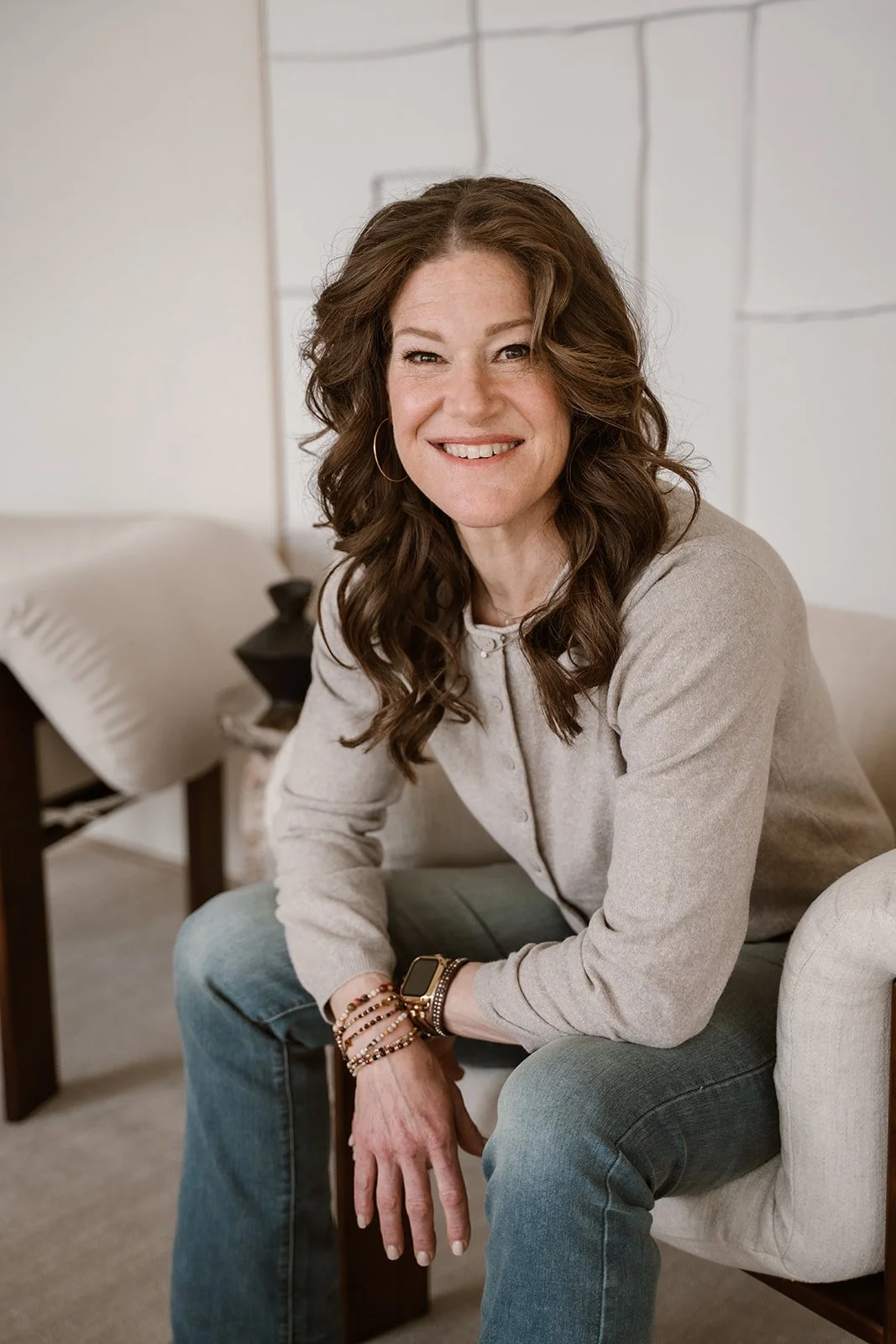
I am a Licensed Clinical Social Worker (LCSW) in Illinois, USA, qualified to independently provide diagnostic assessment and psychotherapy. My approach is relational, integrative, and trauma- and attachment-informed.
I don't begin with a particular therapy and
try to fit you into it.
I begin with you.
Some people want to jump right in.
Others need time to build trust.
Your space.
Your pace.
Nothing is more important to me than how you feel when we're working together.
Safe enough to be honest. Understood rather than judged. Supported when it's hard.
And hopeful about what might be possible.
I won't just listen. I'll ask questions, notice patterns, connect dots, explain what I know,
and challenge you when it helps.
- Sometimes we need understanding.
- Sometimes we need skills.
- Sometimes we need acceptance.
- And sometimes we need the courage to do something differently.
The aim is greater understanding, choice, and freedom
in what you do next.
The Approaches I Draw From
I draw from a range of evidence-based therapeutic approaches depending on what might actually help.
You don't need to know what any of these mean.
That's my job.
But if you're curious, you can explore them below.
The way we think affects the way we feel — and the way we feel affects what we do. CBT helps us examine the thoughts, beliefs, and patterns keeping you stuck, and understand what purpose they might be serving. Practical, structured, and always tailored to you.
ACT starts from a different premise: that trying to eliminate difficult thoughts and feelings often makes them worse. Instead, we work on changing your relationship with them — learning to observe them without being controlled by them, and moving towards what matters even when discomfort is present.
DBT combines acceptance and change. It offers practical skills for managing intense emotions, tolerating distress without making things worse, communicating more effectively, and staying present rather than being swept away. Skills you can actually use on a Tuesday morning.
Sometimes we don’t need to spend a long time understanding where a problem came from. We identify what is already working, what you want to be different, and what small steps might get you there. Forward-looking, strengths-based, and often surprisingly efficient.
No one exists in isolation. We are shaped by the families and relationships we grew up in — and those systems have their own patterns and dynamics. Family systems thinking helps us understand behaviour in context, and how change in one person can affect everyone around them.
What happens in our minds also happens in our bodies. Stress, anxiety, fear, and difficult experiences can show up in very physical ways — sometimes before we have even made sense of what is happening.
These approaches help us understand what your body is doing and why, and learn to work with those responses rather than fighting against them.
Because what your body is doing may make complete sense given what you have experienced.
Information is power. When you understand what is happening in your brain, body, or nervous system, things that felt frightening or shameful often begin to make sense.
I explain things. I connect dots.
Because understanding why something is happening is often the first step towards changing it.
I use what is useful. I explain why we're using it.
And we pay attention to whether it is actually helping.
The approach serves you—not the other way around.
Let’s Connect!
We can begin with a free 20-minute introductory call.
It's a chance to meet, share a little about what's happening and what you'd like to be different,
ask questions, and see how it feels.
Start here
Free introductory call
- No pressure. No commitment. Just a first step.