
FOR YOUNG PEOPLE 11–17
Growing up was never easy.
Growing up now is even harder.

You are growing up in a world that gives you endless opportunities to compare yourself.
How you look. What you achieve. How many friends you have. What you're invited to. How confident you seem. How outgoing you are. How successful you are. How happy everyone else appears to be.
And somewhere in all that noise, it can become very easy to believe that everyone else is doing life better than you.
They're not.

You are seeing everyone else's outside while living with everything happening on your inside.
And you are surrounded by messages telling you that happiness is just one change away: if you looked different, achieved more, were more popular, more confident, less awkward, more motivated, had the right relationship, the right body, the right life.
And none of us is immune to what all that noise does to a human brain and body.
When your brain perceives something as threatening, your body responds — sometimes before you've even had time to think about what's happening.
And that can feel horrible. So, understandably, we find ways to make it stop.
Sometimes those ways help. Sometimes they make things worse. We avoid. Withdraw. Lash out. Shut down.
And when we're overwhelmed, things can feel more permanent, more catastrophic, and more hopeless than they actually are.
That's how patterns can begin. And patterns can change.
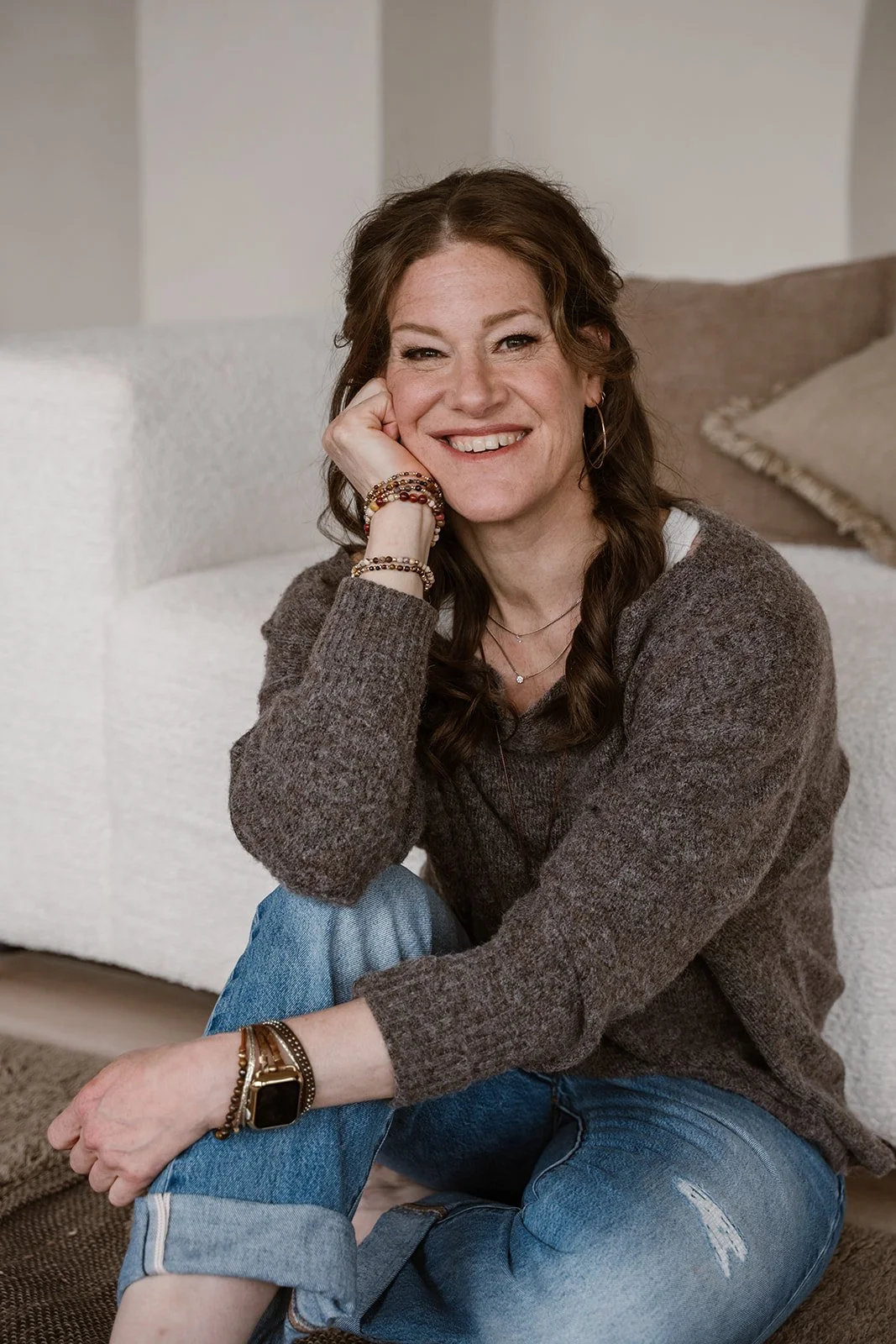
I work with young people to understand what is actually happening underneath the anxiety, anger, sadness, pressure, perfectionism, friendship problems, family conflict, or the feeling that somehow you are just not enough.
I won't tell you simply to “love yourself.” That's not particularly helpful when you don't.
Instead, we'll get curious.
We'll work out what you believe about yourself and where those beliefs came from. We'll understand what your brain and body are doing. We'll talk about relationships, pressure, identity, belonging, mistakes, boundaries, confidence, and the things you wish were different.
And we'll build something better than trying to become who you think you're supposed to be:
Learning to accept who you are, trust yourself, and grow because you want to—not because the world keeps telling you that you aren't enough yet.
Because real confidence isn't believing you're brilliant at everything.
Confidence is being solid enough in yourself to embrace life, pursue what matters to you,
and make mistakes without shame.